
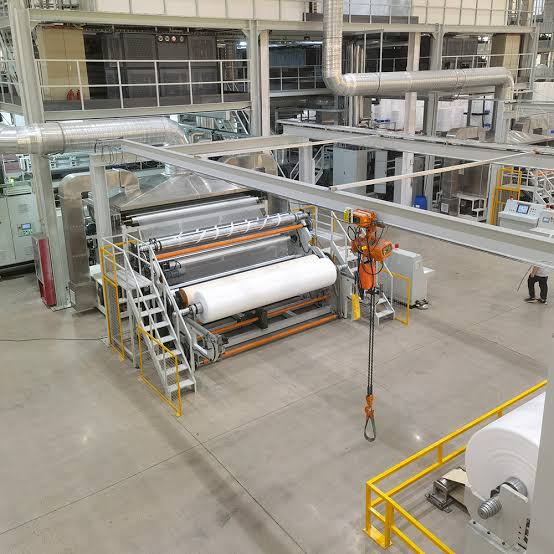
Extrude PP Non Woven materials like polypropylene (PP) non woven fabric are among the most widely used materials in the packaging industry, especially across the UAE where demand for durable, breathable, and cost-effective packaging solutions continues to rise. From reusable shopping bags to protective wraps and industrial covers, PP non woven fabric plays a critical role in modern packaging supply chains.
However, one of the most common and costly challenges in the extrusion process is moisture contamination. Moisture in PP resin or during the extrusion process can lead to poor fabric quality, weak bonding, visible defects, and increased production downtime. If you’re involved in manufacturing or sourcing non woven materials, understanding how to properly extrude PP non woven fabric while managing moisture is essential for maintaining product quality and operational efficiency.
This guide breaks down the entire process, common issues, and best practices to help manufacturers and packaging suppliers in the UAE produce high-quality PP non woven fabric consistently.
What is PP Non Woven Fabric?
PP non woven fabric is a synthetic material made from polypropylene granules through a melt-blown or spunbond extrusion process. Unlike woven fabrics, non woven materials are created by bonding fibers together using heat, pressure, or chemical treatment rather than traditional weaving techniques.
This fabric is popular in the packaging industry because it is:
- Lightweight yet durable
- Breathable and moisture-resistant (when properly manufactured)
- Cost-effective for mass production
- Customizable in terms of thickness, color, and strength
Because PP non woven fabric is used extensively for bags, wraps, and protective packaging, maintaining consistent quality during extrusion is critical—especially when moisture is involved.
Also read: What Is PP Woven Fabric?
Why Moisture is a Major Challenge in PP Extrusion
Moisture is one of the biggest enemies of polypropylene extrusion. Even small amounts of moisture in the PP resin can cause serious production issues, including:
- Bubbles and voids in the fabric structure
- Weak fiber bonding, leading to reduced tensile strength
- Inconsistent thickness across the fabric roll
- Increased brittleness in the final product
- Machine clogging due to steam buildup during melting
Since PP resin is hygroscopic to a small degree and can absorb ambient humidity—especially in coastal regions like the UAE—it’s crucial to control moisture levels before and during the extrusion process.
Step-by-Step Process: How to Extrude PP Non Woven with Moisture Control
1. Selecting the Right PP Resin
The extrusion process begins with selecting a high-quality polypropylene resin. Always choose resin from reputable suppliers with low moisture absorption rates. Resin should be stored in sealed, climate-controlled containers to prevent exposure to humidity before use.
2. Pre-Drying the Resin
Even high-quality PP resin can pick up moisture during storage or transportation. Before extrusion, resin should be pre-dried using industrial dehumidifying dryers. This step typically involves:
- Drying resin at controlled temperatures (usually between 80°C to 100°C)
- Maintaining a consistent drying time based on batch size
- Monitoring moisture content using a moisture analyzer
Proper pre-drying significantly reduces the risk of steam formation during the melting phase.
3. Controlling Ambient Humidity in the Production Facility
In humid climates like the UAE, ambient moisture can re-contaminate dried resin if storage and production areas are not properly sealed. Manufacturers should:
- Use dehumidified production rooms
- Install humidity sensors for real-time monitoring
- Limit resin exposure to open air before feeding into the extruder
4. Feeding the Extruder
Once the resin is dried and humidity levels are controlled, it is fed into the extruder hopper. It’s important to avoid delays between drying and feeding, as prolonged exposure to air can reintroduce moisture.
5. Melting and Extrusion Process
During extrusion, the PP resin is melted at high temperatures (typically between 220°C to 260°C) and forced through a die to form continuous fibers. If moisture is present at this stage, it converts into steam, causing:
- Fiber breakage
- Surface bubbles
- Inconsistent fabric density
To prevent this, extrusion machines should be equipped with vacuum venting systems that allow trapped moisture or gas to escape during the melting phase.
6. Fiber Bonding and Web Formation
After extrusion, the fibers are laid down to form a web, which is then bonded using thermal calendering or other bonding techniques. Moisture-free fibers bond more evenly, resulting in stronger, more uniform fabric.
7. Cooling and Winding
The final step involves cooling the fabric and winding it into rolls. Proper cooling ensures the fabric maintains its shape and strength. Any residual moisture at this stage can lead to fabric curling or uneven rolling.
Common Signs of Moisture-Related Defects
Manufacturers should regularly inspect fabric rolls for signs of moisture-related issues, including:
- Visible bubbles or holes
- Uneven surface texture
- Weak or brittle fabric
- Discoloration or yellowing
- Inconsistent thickness
Identifying these signs early can help operators adjust drying times, machine settings, or storage conditions before large batches are affected.
Best Practices for Moisture Control in PP Non Woven Extrusion
Invest in Quality Drying Equipment
Using industrial-grade dehumidifying dryers is non-negotiable for consistent quality. Cheaper drying systems may not achieve the necessary moisture reduction, especially in humid environments.
Monitor Moisture Levels Regularly
Moisture analyzers should be used at multiple stages—before drying, after drying, and during production—to ensure resin remains within acceptable moisture thresholds (typically below 0.1% moisture content for PP extrusion).
Maintain Proper Storage Conditions
Store PP resin in sealed, moisture-proof packaging until it’s ready for use. Avoid leaving resin exposed to open air, especially in humid warehouses common in the UAE.
Train Production Staff
Employees should be trained to recognize early signs of moisture contamination and understand the importance of following drying protocols consistently.
Schedule Regular Equipment Maintenance
Vacuum venting systems, dryers, and extruders should be inspected and maintained regularly to ensure optimal performance and prevent unexpected moisture-related issues.
Also read: PP Woven Material: The Complete Guide for Businesses in the UAE
Why This Matters for Packaging Suppliers in the UAE
For wholesale packaging suppliers in the UAE, consistent fabric quality is essential to meeting client demands across retail, industrial, and food packaging sectors. Poorly extruded PP non woven fabric can lead to product returns, damaged reputation, and increased production costs.
By mastering moisture control during extrusion, packaging suppliers can offer:
- Stronger, more durable non woven bags and wraps
- Consistent product quality across large orders
- Reduced waste and production downtime
- Improved customer satisfaction and repeat business
Conclusion
Extruding PP non woven fabric with proper moisture control is both a science and a skill. From selecting the right resin to maintaining humidity-controlled production environments, every step plays a crucial role in ensuring high-quality output. For packaging suppliers in the UAE, where humidity levels can pose additional challenges, investing in proper drying equipment, moisture monitoring, and staff training is essential for long-term success.
By following these best practices, manufacturers can significantly reduce defects, improve fabric strength, and deliver reliable, high-quality PP non woven products to meet the growing demands of the packaging industry.
Looking for durable packaging? Explore our premium PP Woven Fabric, manufactured in UAE.
