
If you have ever handled a rice sack, a cement bag, or a sturdy shopping tote from a supermarket, chances are you were holding a product made from PP woven fabric. This versatile material has become a cornerstone of the packaging industry across the UAE and the wider Gulf region, yet many businesses still aren’t entirely sure what it is, how it’s made, or why it has become so popular. In this article, we’ll break down everything you need to know about PP woven fabric, from its composition to its many uses, so you can make informed decisions for your packaging needs.
Understanding PP Woven Fabric
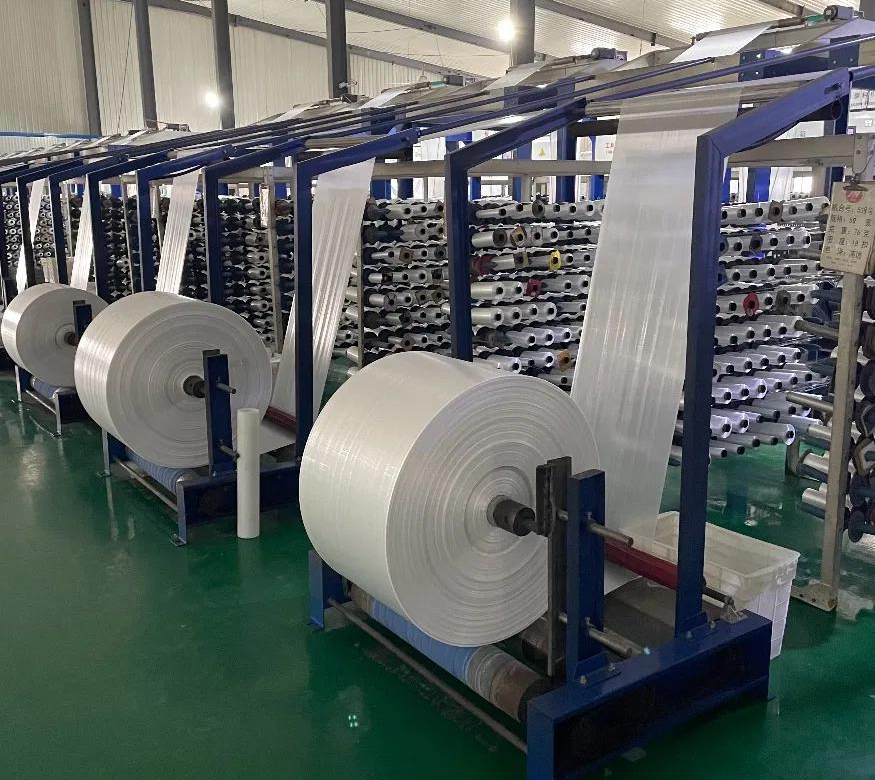
PP woven fabric stands for polypropylene woven fabric, a material made by weaving strands of polypropylene plastic into a tight, durable fabric. Polypropylene itself is a thermoplastic polymer known for its strength, chemical resistance, and lightweight nature. When these polypropylene strands—often called tapes or yarns—are extruded and then woven together on industrial looms, the result is a fabric that combines the flexibility of textile with the strength and water resistance of plastic.
Unlike traditional woven materials such as cotton or jute, PP woven fabric is entirely synthetic. This gives it a distinct set of properties: it doesn’t absorb moisture, it resists mold and mildew, and it can withstand significant physical stress without tearing. These characteristics make it an ideal choice for a wide range of packaging and industrial applications.
How Is PP Woven Fabric Made?
The manufacturing process begins with raw polypropylene resin, which is melted and extruded through a flat die to form thin films. These films are then cut into narrow tapes or strips. The tapes are stretched to align the polymer molecules, which significantly increases their tensile strength. Once stretched, the tapes are woven on circular or flat looms, similar to how traditional textiles are produced, but using plastic strands instead of natural fibers.
Depending on the intended use, the woven fabric can be left as is or laminated with an additional layer of polypropylene film. This lamination process, known as BOPP (Biaxially Oriented Polypropylene) laminated PP woven fabric, enhances the material’s resistance to moisture, dust, and printing ink absorption, making it suitable for high-quality branded packaging.
Also read: Woven PP Fabric: The Complete Guide for Businesses in the UAE
Key Properties of PP Woven Fabric
Understanding the characteristics of PP woven fabric helps explain why it’s so widely used across industries. Here are the standout properties:
Strength and Durability
PP woven fabric is remarkably strong for its weight. It can hold heavy loads without ripping, which is why it’s the material of choice for sacks carrying grains, cement, fertilizers, and other bulk goods. Its tensile strength ensures that bags made from this fabric can be stacked, transported, and handled roughly without failing.
Water and Moisture Resistance
Because polypropylene is a plastic, it naturally repels water. This makes PP woven fabric an excellent barrier against moisture, protecting the contents of a bag or sack from dampness, spills, or humid storage conditions—an important consideration in the UAE’s hot and occasionally humid climate.
Lightweight Nature
Despite its strength, PP woven fabric is lightweight, which reduces shipping and handling costs. This is a major advantage for businesses looking to optimize logistics without compromising on packaging performance.
Chemical and UV Resistance
Polypropylene is resistant to most acids, alkalis, and solvents, making PP woven fabric suitable for packaging chemicals, fertilizers, and other industrial materials. Many manufacturers also add UV stabilizers during production to prevent degradation from prolonged sun exposure, which is particularly relevant for outdoor storage in the UAE.
Reusability and Recyclability
PP woven fabric can be reused multiple times before it wears out, and it is also recyclable. As sustainability becomes a bigger priority for businesses and consumers alike, this recyclability adds significant value to the material.
Common Uses of PP Woven Fabric
The versatility of PP woven fabric means it shows up in countless applications. Here are some of the most common uses:
Agricultural Packaging
PP woven sacks are widely used to package grains, rice, seeds, animal feed, and fertilizers. Their strength and moisture resistance help preserve the quality of agricultural products during storage and transport.
Construction Materials
Cement, sand, and other building materials are often packaged in PP woven bags due to their ability to withstand rough handling on construction sites and during transportation.
Retail and Shopping Bags
Woven polypropylene bags have become a popular alternative to plastic and paper shopping bags. They are durable, reusable, and can be printed with vibrant branding, making them a favorite among retailers looking for eco-conscious packaging options.
Industrial and Chemical Packaging
Because of its chemical resistance, PP woven fabric is used to package industrial powders, chemicals, and minerals that require robust, non-reactive packaging materials.
Geotextiles and Construction Support
In civil engineering, woven polypropylene fabric is used as geotextile material for soil stabilization, drainage systems, and erosion control, thanks to its strength and resistance to environmental degradation.
Also read: PP Woven Fabric Uses: A Complete Guide for Businesses in the UAE
PP Woven Fabric vs. Other Packaging Materials
When comparing PP woven fabric to alternatives like jute, paper, or non-woven polypropylene, several differences stand out.
Jute bags, while biodegradable and traditional, tend to be heavier, more expensive, and less resistant to moisture. Paper bags are eco-friendly but lack the strength and durability required for heavy or bulk goods. Non-woven polypropylene, on the other hand, is made through a different process—bonding fibers together rather than weaving them—resulting in a softer, less durable fabric typically used for lighter applications like reusable shopping bags or medical packaging.
PP woven fabric strikes a balance between cost-effectiveness, strength, and versatility, making it a preferred choice for businesses that need reliable, heavy-duty packaging solutions without excessive costs.
Why PP Woven Fabric Is Popular in the UAE
The UAE’s thriving trade, construction, and agricultural sectors rely heavily on efficient, durable packaging solutions. PP woven fabric’s resistance to heat, moisture, and rough handling makes it particularly well-suited to the region’s climate and logistics demands. Whether it’s packaging building materials for a construction project in Dubai or exporting agricultural goods through Jebel Ali Port, PP woven sacks and fabrics provide the durability businesses need.
Additionally, as more companies in the UAE prioritize cost efficiency and sustainability, PP woven fabric offers an attractive middle ground: it’s affordable, reusable, and recyclable, aligning with both business goals and environmental responsibility.
Choosing the Right PP Woven Fabric Supplier
When sourcing PP woven fabric or finished products like sacks and bags, it’s essential to work with a supplier who understands quality standards and can offer customization based on your specific needs. Factors to consider include:
- Fabric weight (GSM): Determines strength and suitability for different load capacities.
- Lamination options: BOPP lamination for enhanced printing and moisture resistance.
- Bag size and design: Customized dimensions and closures based on product type.
- Printing capabilities: For branding purposes, especially in retail packaging.
Partnering with an experienced wholesale packaging supplier in the UAE ensures you receive consistent quality, competitive pricing, and packaging solutions tailored to your industry.
Final Thoughts
PP woven fabric has earned its place as one of the most practical and widely used materials in modern packaging. Its combination of strength, durability, moisture resistance, and cost-effectiveness makes it suitable for everything from agricultural sacks to retail shopping bags and industrial packaging. As businesses in the UAE continue to seek reliable and sustainable packaging solutions, PP woven fabric remains a smart, versatile choice.
Whether you’re in construction, agriculture, retail, or manufacturing, understanding what PP woven fabric offers can help you make better packaging decisions—ones that protect your products, reduce costs, and support your operational efficiency. For businesses looking to source high-quality PP woven products, working with a trusted wholesale packaging supplier ensures you get the durability and value your operations deserve.
Need reliable packaging? Explore our premium PP Woven Fabric in the UAE.
